
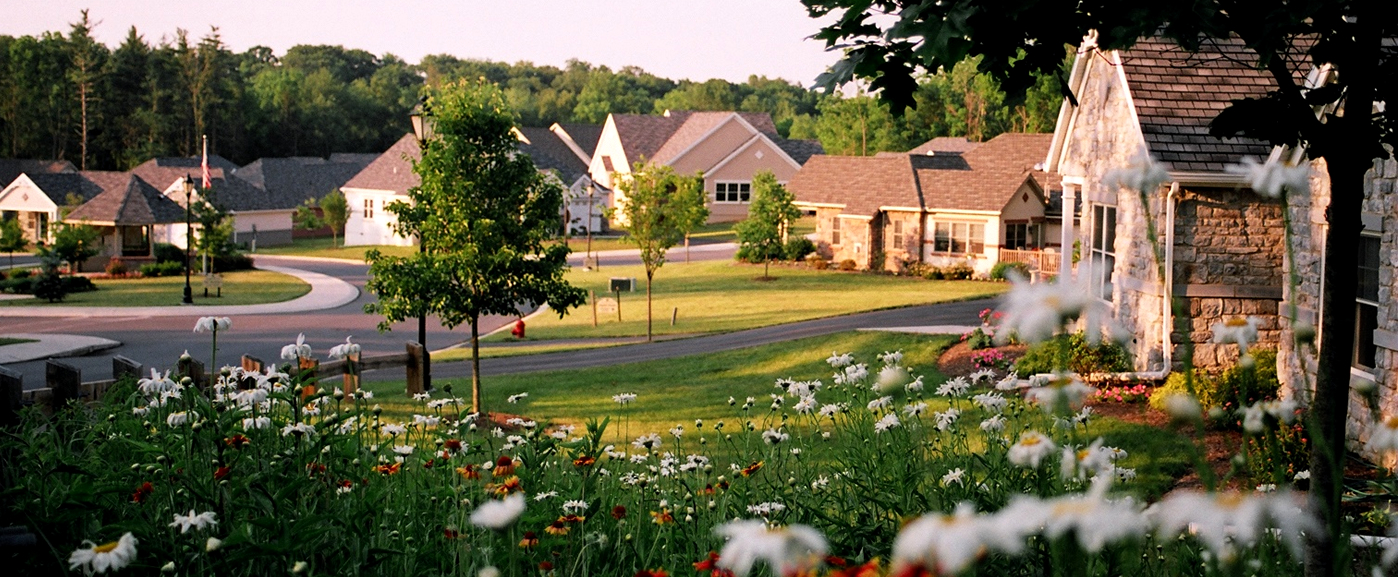
Retirement is an opportunity to focus on what matters most—health, relationships, hobbies and personal fulfillment. For many older adults, moving to a retirement community creates greater freedom, convenience and peace of mind while eliminating many of the responsibilities associated with homeownership.
Whether you’re just beginning your research or actively comparing retirement communities, understanding the benefits of each can help you determine which lifestyle is right for you.
What Is a Retirement Community?
A retirement community is a residential community designed specifically for older adults. These communities typically offer social opportunities, wellness programs and amenities that support an active, engaged lifestyle.
Unlike a traditional neighborhood, a retirement community is designed around the needs and interests of older adults. Residents can enjoy independent living while benefitting from services, activities and resources that make everyday life easier and more enjoyable.
What Is a Continuing Care Retirement Community?
One of the most comprehensive retirement living options is a Continuing Care Retirement Community (CCRC).
If you’ve wondered, “What is a CCRC retirement community?”, the answer is simple: a CCRC combines independent living with access to higher levels of care on the same campus. As residents’ needs change over time, they can often transition to personal care, rehabilitation or skilled nursing services without leaving the community they call home.
This model offers flexibility and long-term planning advantages for older adults who want to age in place while maintaining access to support when needed. Additionally, more services and amenities are available, such as transportation, dining or meal plans, support staff and much more.
How Do Continuing Care Retirement Communities Work?
Many people researching retirement homes ask, “How do continuing care retirement communities work?”
Most retirement communities provide private residences (apartments or houses) along with services and amenities that simplify daily life. Depending on the community, residents may have access to:
- Maintenance and home repairs
- Landscaping and snow removal
- Housekeeping services
- Dining venues
- Transportation services
- Fitness and wellness programs
- Educational and cultural activities
- Social events and clubs
- Access to healthcare services – campus nurse, comprehensive therapy services (physical, occupational and speech), personal care, skilled nursing care, memory support, etc.
Residents maintain their independence while enjoying a lifestyle that reduces household responsibilities and increases opportunities for engagement and connection.
Benefits of Retirement Communities
While every community is unique, there are several common benefits of retirement communities that attract older adults seeking a more active and worry-free lifestyle.
Maintenance-Free Living
One of the most appreciated benefits of independent living for seniors is freedom from home maintenance.
Owning a home often involves ongoing responsibilities, including lawn care, repairs, snow removal and routine upkeep. In a retirement community, these tasks are typically handled by dedicated staff, allowing residents to spend more time doing what they enjoy.
Instead of managing household projects, residents can travel, participate in community activities or simply relax with fewer daily obligations.
Opportunities for Health and Wellness
Many retirement communities provide amenities and programs designed to support physical, emotional and cognitive wellness. Common wellness offerings include:
- Fitness centers
- Swimming pools
- Walking trails
- Exercise classes
- Wellness education programs
- Libraries
- Arts and creative studios
- Lifelong learning opportunities
Having these resources readily available can make it easier to maintain healthy habits and stay engaged in meaningful activities.
Stronger Social Connections
Loneliness and social isolation can impact overall well-being as people age. Retirement communities create opportunities to build friendships with neighbors who are experiencing similar life stages and interests.
Residents often participate in:
- Clubs and organizations
- Group outings (life engagement trips)
- Educational events
- Volunteer opportunities
- Hobby groups
- Community celebrations
These shared experiences help foster a sense of belonging and community while encouraging meaningful connections.
Enhanced Safety and Peace of Mind
Safety is another significant advantage of retirement community living.
Many retirement communities are designed with senior-friendly features such as accessible residences, emergency response systems and staff available to assist when needed. This environment can provide reassurance for both residents and their families.
More Time for Hobbies and Personal Interests
Retirement can be the perfect time to rediscover old passions or explore new interests. Many communities offer opportunities to:
- Join book clubs or discussion groups
- Participate in arts and crafts
- Learn a new hobby
- Garden with others
- Attend educational lectures
- Explore woodworking or creative workshops
- Take fitness or wellness classes
- Enjoy cultural and entertainment events
With fewer household responsibilities, residents often find they have more time to devote to the activities they enjoy most.
A Greater Sense of Independence
Although some people worry that moving to a retirement community means losing independence, many discover the opposite is true.
The availability of transportation, dining options, maintenance services and community amenities can make daily life easier and more accessible. Instead of spending time managing chores and home repairs, residents can focus on creating the lifestyle they want.
This is one of the most important benefits of independent living for seniors—the freedom to spend each day on your own terms.

Access to Future Care Options
For many individuals, one of the greatest advantages of continuing care retirement communities (CCRCs) is the ability to plan ahead. Knowing that additional support may be available if health needs change can provide confidence and peace of mind. Residents can often remain within a familiar community while accessing higher levels of care if needed.
- Daily transportation routes
- Housekeeping
- Maintenance
- Landscaping
- Professional chef-prepared dining options
As a retirement community resident, you can enjoy your free time without managing home repairs and maintenance. Let someone else take care of the yard work, snow removal, leaky faucets and appliances for you.
Simplified Financial Planning
Many retirement communities bundle housing, utilities, amenities and services into one monthly fee, making budgeting more predictable. Some communities also use fee-for-service models, allowing residents to pay only for the services or care they need. Understanding a community’s pricing structure is an important part of evaluating retirement living options.
What Should I Look for in a Retirement Community?
When comparing retirement homes, consider factors such as:
- Available healthcare services
- Maintenance and support offerings
- Dining options
- ]Transportation services
- Wellness amenities
- Social and recreational programming
- Contract and pricing options
- Future care availability
Visiting communities in person can help you determine which environment best matches your lifestyle and future goals.
Discover Retirement Living at Cornwall Manor
As a nonprofit continuing care retirement community (CCRC) in Lebanon County, Pennsylvania, Cornwall Manor offers residents the opportunity to enjoy an active, maintenance-free lifestyle while planning confidently for the future.
Residents have access to a wide variety of housing options, amenities, wellness opportunities, lifelong learning programs and life engagement trips, social activities and volunteer experiences. Trailside Organic Farm, is our onsite organic farm managed by the industry experts at the Rodale Institute. Produce grown on the farm is served in all campus dining areas on Cornwall Manor’s campus. The community’s park-like campus features walking paths that intersect with the Lebanon Valley Rail Trail, fitness opportunities and a strong sense of connection that encourages engagement and independence.
Cornwall Manor’s fee-for-service approach allows residents to pay only for the services they need while maintaining access to additional levels of care should needs change over time. On-campus healthcare resources and a longstanding commitment to resident well-being help support a fulfilling retirement experience.
Whether you’re exploring what a retirement community is, researching how retirement communities work or comparing retirement homes, Cornwall Manor offers a welcoming environment where residents can enjoy the many benefits of retirement community living. Contact us to schedule a visit and discover how Cornwall Manor can elevate your quality of life.